
Two Platforms. One Vision.
Platform 01
Stem Cell Technology Platform
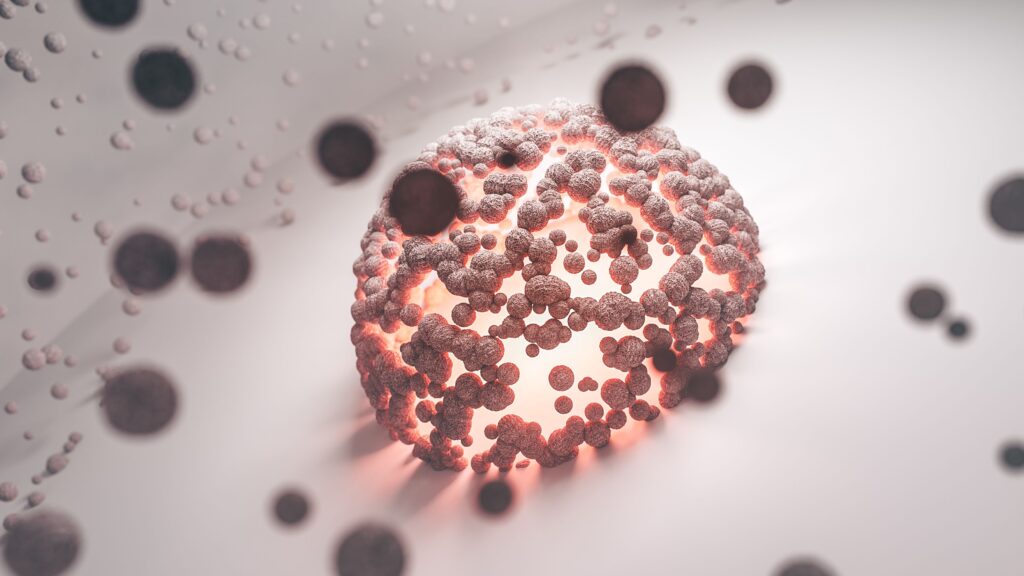
Self-Renewal
Asymmetric division producing identical daughter cells — indefinite replication capacity.
Differentiation
Ability to become specialized cell types — bone, cartilage, nerve, immune, and more.
Stem Cell Potency Classification
Comparative Analysis
Why Placental MSCs Outperform Other Sources
| Stem Cell Type | Source | Harvesting | Age Effect | Potency |
|---|---|---|---|---|
| BMSC (Bone Marrow) | Bone marrow | Invasive | Significant decline | Moderate |
| ADSC (Adipose) | Adipose tissue | Invasive | Significant decline | Moderate |
| UC-MSC (Umbilical Cord) | Umbilical cord | Non-invasive | Minimal | Good |
| HPSC pcMSC (Placental) | Placental tissue | Non-invasive | Minimal | Superior ★ |
| Tissue Source | Adipocyte | Chondrocyte | Osteocyte | Cardiomyocyte | Neural | Endothelial |
|---|---|---|---|---|---|---|
| Bone Marrow (BMSC) | ✓ | ✓ | ✓ | — | — | — |
| Adipose (ADSC) | ✓ | ✓ | ✓ | — | — | — |
| Umbilical Cord (UCMSC) | ✓ | ✓ | ✓ | ✓ | — | — |
| Placental (HPSC pcMSC) | ✓ | ✓ | ✓ | ✓ | ✓ | ✓ |
Proprietary IP
Our Core Technologies
Non-Tumorigenic Verification
Proprietary technology proving our stem cells will not promote cancer — a critical safety requirement for any cell technology drug application. Backed by fluorescent tracking studies.
Single-Cell Purification
Unique single-cell isolation and expansion technology enabling pharmaceutical standardization from complex mixed placental cell populations. Patented in Taiwan.
Serum-Free Culture Medium
Proprietary patented serum-free, xenobiotic-free culture medium — eliminating fetal bovine serum (FBS) risks for safer, more consistent, GMP-compliant cell production.
25-Subgeneration Technology
Proprietary formula extends cell viability to 25 sub-generations — far beyond the normal 5–8 cycles — while maintaining full biological potency and genomic stability.
Extensive Research Datasets
16+ preclinical studies with comprehensive safety, efficacy, and mechanism-of-action data supporting the IND application and ongoing clinical trials.
Dual-Function Stem Cells
Our pcMSCs demonstrate both regenerative AND immunomodulatory capabilities — a combination not found in other MSC types, dramatically expanding therapeutic applications.
Platform 02
X-Exosome Technology Platform
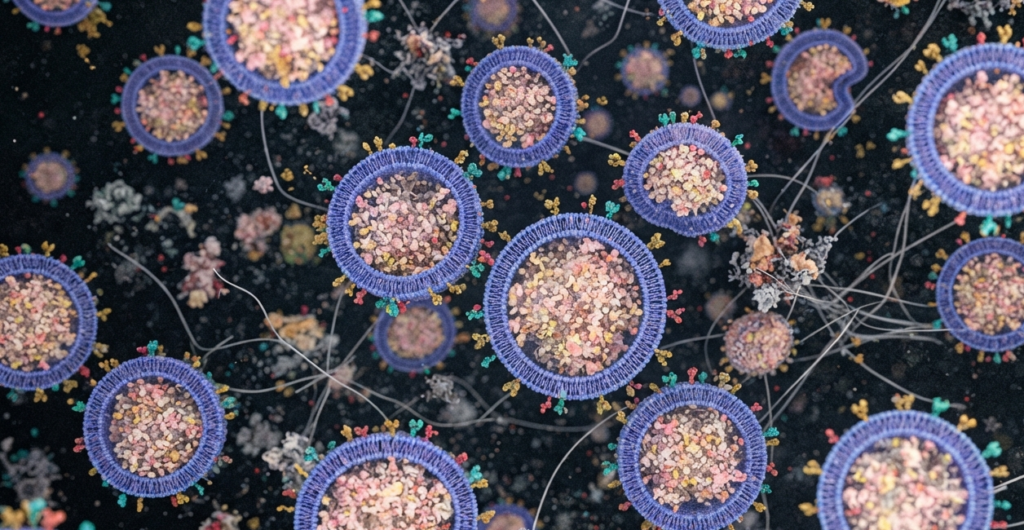
Exosomes are nano-scale extracellular vesicles (30–150 nm) secreted by cells, carrying proteins, RNA, and lipids as intercellular messengers. In 2013, James E. Rothman received the Nobel Prize in Physiology or Medicine for discoveries related to cellular vesicle transport mechanisms — validating the scientific foundation of exosome technology.
Our proprietary X-Exosome platform focuses on functional exosome therapeutics derived from our placental stem cells — combining the biological potency of stem cells with the delivery advantages of nano-scale vesicles.
- World's first functional exosome patent — Japan (granted)
- US functional exosome patent — pending
- Capable of crossing the blood–brain barrier
- High biological activity and efficient tissue penetration
- Applications in drug delivery, disease diagnosis, tissue regeneration
X.Exosome is about to receive its US patent — building on our world-first Japan functional exosome patent. Not just first, but only.
Process Patent
Proven Non-Cancer-Promoting
Single Purification Technology
Serum-Free Culture Patent
Full Germ Layer Function
Award-Winning Culture Process
USFDA / IND Approval
US Stem Cell Technology Patent
Japan Exosome Technology Patent
Successful Compassionate Use
Powerful Dual-Effect Function
Mass Production at Standard
HPSC 12-STAR RATING SYSTEM
Clinical Applications