Research Overview
The Science Behind
Our Technologies
From the first discovery of stem cells in 1961 to our FDA IND approval — decades of foundational science support our approach to regenerative medicine.
Classification
Stem Cell Classification
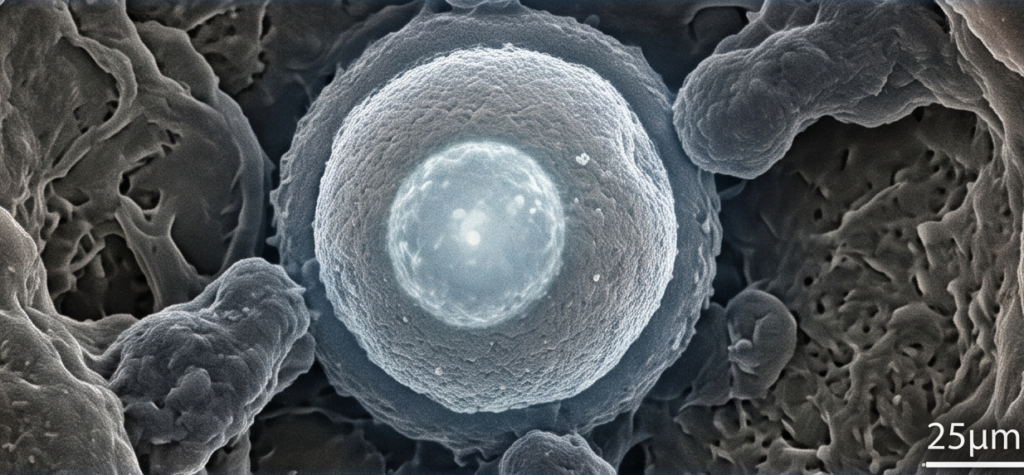
Totipotent
Capable of generating a complete organism. Most potent — found only in early embryonic stages (days 1–8 post-fertilization).
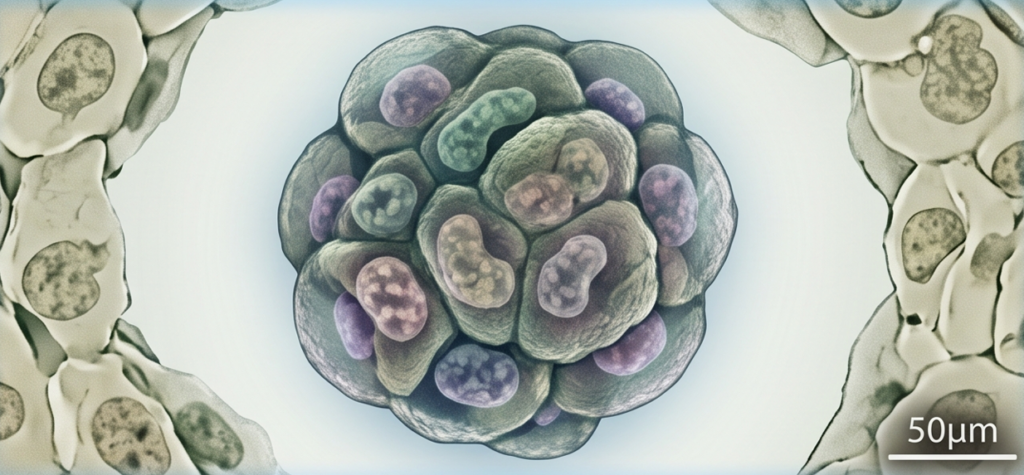
Pluripotent
Can differentiate into nearly all cell types of the three germ layers. Foundation of embryonic stem cell research (ESC / iPSC).
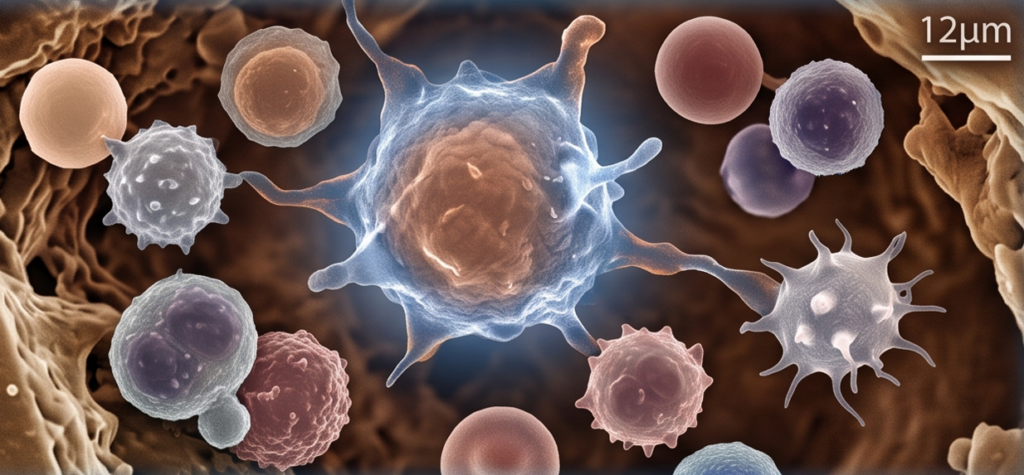
Multipotent ★
Can become multiple related cell types within a lineage. Our HPSC pcMSC falls here — the clinically optimal tier for safe and scalable technology.
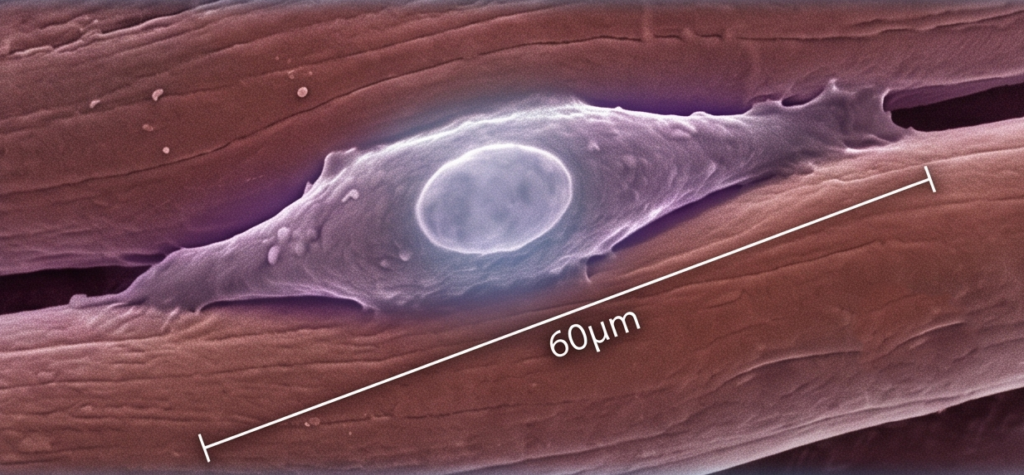
Unipotent
Can produce only one specific cell type. Most restricted — but important for targeted tissue renewal.
Mechanism of Action
How pcMSC Technology Works
pcMSC Therapeutic Mechanisms
Paracrine Signalling
Primary
Immune Modulation
Primary
Mitochondria Transfer
Active
Extracellular Vesicles
Active
Direct Differentiation
Supporting
Based on: J Biomed Sci 2021;28(1):28 — HPSC BioSeed parent company publication.
Our research network spans leading academic institutions and research centers across North America and Asia. These partnerships drive scientific validation, technology development, and clinical translation of our technologies